Featured
Breaking the Code of Automated Credit Checks in Your Area
Strategic Preparation for Small Company Owners in Your Co...
Understanding Your Rights Under the Newest Customer Defen...

Is Your 2026 Spending Plan Optimized for Resident Price M...

Securing Yourself From Time-Barred Lawsuits in Your Area
Table of Contents
Browsing Creditor Rights in the local community throughout 2026
The financial environment in 2026 presents a particular set of obstacles for individuals transitioning out of heavy financial obligation. After finishing a financial obligation relief program or a structured repayment strategy, the focus shifts from survival to stabilization. Comprehending legal rights relating to lender interactions stays a concern during this phase. Federal laws, consisting of the Fair Financial obligation Collection Practices Act (FDCPA), continue to determine how creditors and third-party collectors engage with consumers, even after a debt is settled or discharged. In 2026, these regulations have actually been clarified to consist of modern-day digital interaction techniques, making sure that people in the surrounding area are secured from consistent or deceptive contact via text messages and social media platforms.
Legal relief typically begins with a clear understanding of the "stop and desist" rights offered to every customer. If a debt has actually been dealt with through an official program, creditors are typically needed to stop direct collection efforts and resolve the designated agent or company. Individuals inquiring on Credit Card Relief often discover clearness through non-profit resources that explain these boundaries. In 2026, the Consumer Financial Protection Bureau (CFPB) has increased its oversight of automated collection systems, which indicates any communication that breaches timing or frequency rules can be consulted with substantial legal penalties for the angering company.
The Role of Non-Profit Credit Therapy in the current region
Restoring after financial obligation relief is seldom a solo effort. Lots of homeowners in the local market turn to Department of Justice-approved 501(c)(3) non-profit credit counseling companies. These organizations provide a buffer in between the customer and the aggressive nature of the monetary market. By offering complimentary credit counseling and financial obligation management programs, these companies assist combine multiple high-interest obligations into a single month-to-month payment. This process often includes direct negotiation with creditors to minimize rates of interest, which provides the breathing space essential for long-term healing. Montgomery Debt Relief Programs supplies vital structure for those transitioning out of high-interest commitments, permitting them to focus on wealth-building rather than interest-servicing.
Because these companies operate across the country, consisting of all 50 states and the United States, they offer a standardized level of care. This consistency is especially crucial when handling pre-bankruptcy counseling and pre-discharge debtor education. In 2026, these educational requirements act as a check against repeat cycles of financial obligation. They provide a deep dive into budgeting, the cost of credit, and the psychological elements that result in overspending. For someone living in a major metropolitan area, these sessions are typically offered through regional collaborations with financial institutions and community groups, making sure the advice pertains to the regional cost of living.
Re-establishing Financial Stability and Real Estate Security in 2026
A major concern for those who have completed financial obligation relief is the ability to secure housing. Whether leasing a new home or using for a mortgage, a history of debt relief can produce hurdles. HUD-approved real estate therapy has ended up being a foundation of the restoring process in 2026. These counselors assist individuals in the region with comprehending their rights under the Fair Real estate Act and help them prepare for the extensive examination of contemporary lenders. Because numerous debt management programs combine payments, the constant history of those payments can sometimes be utilized as a favorable indicator of monetary duty during a real estate application.
Local residents typically look for Debt Relief in Montgomery when managing post-bankruptcy requirements. The integration of real estate counseling with general credit education develops a more steady structure. By 2026, many non-profit firms have broadened their networks to include independent affiliates that specialize in diverse community needs. This guarantees that language barriers or specific regional economic shifts do not prevent someone from accessing the aid they require. These affiliates work to guarantee that financial literacy is not simply a one-time lesson however a constant part of an individual's life after debt.
Understanding Creditor Interaction Limits and Legal Recourse
In the 2026 regulative environment, the meaning of harassment has actually expanded. Creditors can no longer claim lack of knowledge when automated systems call a customer numerous times a day. If a consumer in the local area has formally asked for that a creditor stop contact, or if they are registered in a debt management program where the agency manages communications, any more direct contact might be an offense of federal law. It is important to keep detailed logs of every interaction, consisting of the time, the name of the agent, and the content of the conversation. These records are the primary proof utilized if legal action ends up being required to stop harassment.
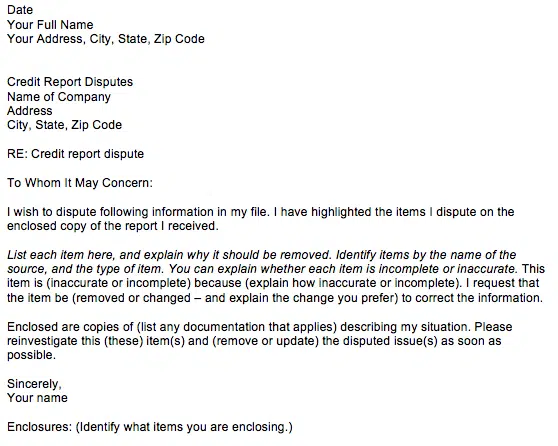
The 2026 updates to the Fair Credit Reporting Act (FCRA) have actually streamlined the procedure of challenging inaccuracies on a credit report. After financial obligation relief, it prevails for a report to contain out-of-date or incorrect info concerning settled accounts. Consumers deserve to challenge these entries and expect a prompt response from credit bureaus. Non-profit firms often offer the tools and templates required to manage these disputes, ensuring that the credit report accurately reflects the consumer's current standing instead of their previous battles. This precision is essential to receiving better interest rates on future loans or credit lines.
Developing a Sustainable Future Beyond Financial Obligation
Life after financial obligation relief is specified by the practices formed throughout the healing procedure. In 2026, the availability of co-branded partner programs between non-profits and local banks has actually made it simpler for individuals to discover "second opportunity" monetary items. These items are created to assist people in your state rebuild their scores without falling back into high-interest traps. Financial literacy education remains the most efficient tool for avoiding a return to financial obligation. By understanding the mechanics of interest, the importance of an emergency situation fund, and the legal securities available to them, consumers can browse the 2026 economy with self-confidence.
The focus on community-based assistance guarantees that assistance is offered regardless of an individual's specific location in the broader area. By partnering with local nonprofits and neighborhood groups, across the country companies extend their reach into neighborhoods that may otherwise be ignored by traditional monetary institutions. This network of assistance is what makes the 2026 financial obligation relief system more effective than those of previous years. It acknowledges that debt is frequently an outcome of systemic issues or unanticipated life occasions, and it provides a clear, lawfully secured path back to financial health. With the best information and the support of a DOJ-approved company, the shift to a debt-free life is a workable and sustainable goal.

Table of Contents
Latest Posts
Breaking the Code of Automated Credit Checks in Your Area
Strategic Preparation for Small Company Owners in Your Country

Understanding Your Rights Under the Newest Customer Defense Laws
More
Latest Posts
Breaking the Code of Automated Credit Checks in Your Area
Strategic Preparation for Small Company Owners in Your Country
Understanding Your Rights Under the Newest Customer Defense Laws